How to Control High Sugar Level Immediately at Home: Complete 2026 Emergency Guide
Sudden blood sugar spike? Follow this medically safe step-by-step plan to control high sugar at home and know when urgent treatment in Noida is needed.
If blood sugar rises suddenly, most families panic and make rushed decisions like skipping meals, doubling medicine, or trying random internet remedies. That can make the situation worse. The right response is fast but structured.
This guide explains how to control high sugar level immediately at home using practical medical logic. It is written for Indian families and includes clear red-flag signs, safe home steps, and when to seek urgent treatment in Noida.
What is high blood sugar?
High blood sugar, also called hyperglycemia, means your blood glucose is above your target range. For many people with diabetes, occasional mild variation happens. The danger starts when high readings remain persistent and symptoms begin.
Clinically useful reference points:
- Symptoms often appear when glucose is clearly elevated.
- Repeated readings above your prescribed target suggest poor control.
- Readings above 250 to 300 mg/dL need close monitoring and often same-day medical advice.
One random value is not enough for decision-making. Trend + symptoms + hydration status matter most.
Causes
Sudden spikes usually happen due to one or more triggers.
Common triggers
- Missed medicine or delayed insulin
- Large refined-carb meal
- Sweet beverages or frequent snacking
- Infection (fever, urine infection, chest infection, gum infection)
- Poor sleep for multiple nights
- High stress or panic episodes
- Dehydration, especially in hot weather
- Steroid medicines
- Reduced physical activity
Practical real-world example
A patient may eat normal food but skip medication due to travel, sleep late, wake dehydrated, then take sweet tea and biscuits in the morning. By noon, sugar can spike sharply. This is common and preventable.
Symptoms
Early symptoms
- Excessive thirst
- Frequent urination
- Dry mouth
- Blurred vision
- Fatigue or weakness
- Headache
Progressive symptoms
- Nausea
- Vomiting
- Abdominal discomfort
- Drowsiness
- Fruity breath odor
- Fast or deep breathing
- Confusion
If progressive symptoms appear, do not continue home experiments.
Main Solution Section: What to Do Immediately
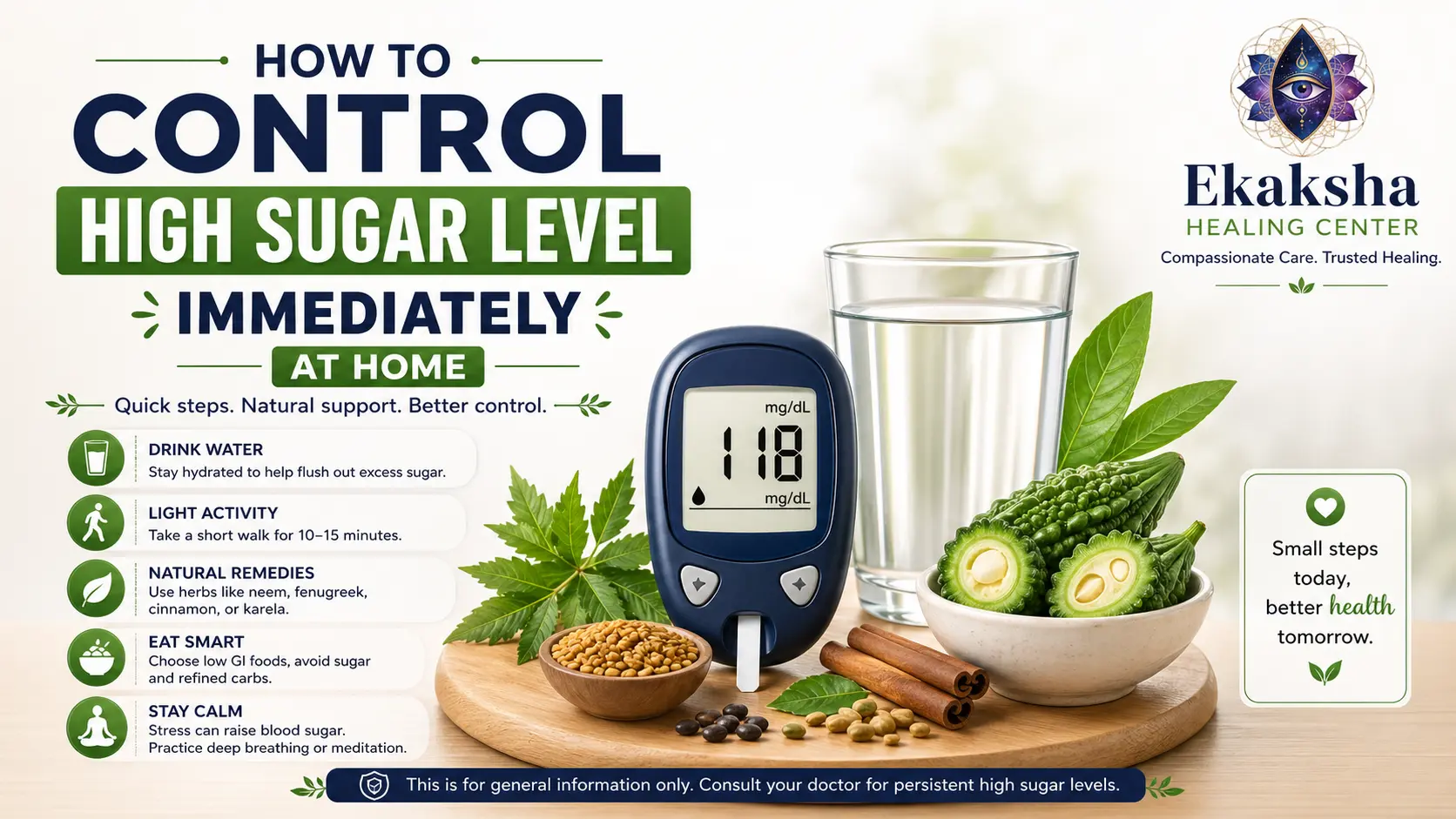
Use this sequence exactly. This section is designed for real-time action.
Step 1: Recheck correctly
- Wash hands and dry properly.
- Recheck with a calibrated glucometer.
- Use valid strip and note timestamp.
- Log food, medicine, and symptoms from past 6 hours.
Why this matters: contaminated fingers or wrong strip can show false readings.
Step 2: Start hydration protocol
- Drink 250 to 500 ml plain water slowly.
- Continue small sips every 20 to 30 minutes.
- Avoid juice, soft drinks, sweet tea, and energy drinks.
Why this matters: hydration supports glucose clearance and prevents worsening weakness.
Step 3: Follow prescribed medication exactly
- Take the due dose only as prescribed.
- If you have correction insulin plan, follow that schedule.
- Never self-double medication without clinical advice.
Why this matters: overcorrection can trigger dangerous low sugar.
Step 4: Assess whether light activity is safe
- If you are alert and stable, take a 10 to 15 minute slow walk.
- Do not perform intense exercise when glucose is very high or when vomiting, weakness, or dehydration is present.
Why this matters: heavy activity during severe hyperglycemia can increase stress hormones and worsen instability.
Step 5: Eat low-glycemic, balanced meals only
For next 8 to 12 hours:
- Keep meals small and frequent.
- Include protein + fiber.
- Keep carbohydrate portion moderate.
Safer options:
- Dal with vegetables
- Paneer or tofu with salad
- Light soup and sauteed vegetables
- Roasted chana or sprouts
Avoid temporarily:
- Sweets and desserts
- Refined flour snacks
- Sugary drinks
- Large rice-only meals
Step 6: Monitor trend every 2 to 3 hours
- Track values in a log.
- Note symptom changes.
- If values remain high after 2 checks, call your doctor.
Step 7: Screen for emergency warning signs
Immediate hospital care is needed if:
- Sugar repeatedly stays above 300 mg/dL
- Persistent vomiting or inability to drink fluids
- Drowsiness, confusion, breathlessness
- Chest pain or severe abdominal pain
- Fruity breath with rapid breathing
Step 8: Evaluate trigger and prevent repeat spike
Ask these questions:
- Did I miss medicine?
- Was meal carb-heavy?
- Did I sleep poorly?
- Am I developing infection?
- Did I take steroid medicine recently?
Fixing trigger is essential. Otherwise spikes keep returning.
Home Remedies / Natural Support
Natural supports may help, but only as adjuncts.
Useful supportive choices:
- Methi seeds soaked overnight
- Karela in cooked meals
- Cinnamon in moderate dietary amounts
- Adequate hydration
What not to do:
- Do not stop prescribed medicines.
- Do not rely on one herbal powder.
- Do not delay treatment waiting for home remedy effect.
Diet Plan for the Next 24 Hours
Morning
- Plain water
- Protein-rich breakfast (besan chilla + curd)
Midday
- Salad + dal + controlled roti portion
- Avoid sugary beverages
Evening
- Roasted chana or sprouts
- Hydration continue
Dinner
- Light vegetable + protein meal
- 10 to 15 minute walk after dinner
This short protocol often improves control when combined with medicine timing.
Foods to Avoid During a Spike
- Sugar and desserts
- Sweet fruits in large quantity
- Fruit juices
- White bread and bakery snacks
- Sweetened breakfast cereals
- Large portion rice meals
- Fried fast foods
Lifestyle Modifications to Prevent Recurrent Spikes
- Fixed medication timing alarms
- Meal timing consistency
- 7 to 8 hours sleep
- Stress decompression routine daily
- 150 minutes weekly activity
- Post-meal walk habit
- Infection screening if sugar suddenly worsens
Complications if Repeated Spikes Are Ignored
Frequent uncontrolled hyperglycemia can damage:
- Eyes (retinopathy, vision changes)
- Kidneys (nephropathy)
- Nerves (neuropathy, burning feet)
- Heart and blood vessels
- Skin and wound healing
Severe acute risk includes hyperglycemic emergencies with dehydration and altered mental status.
When to See a Doctor
Book same-day consultation if:
- Sugar remains high for more than 24 hours
- Repeated spikes occur in a week
- You have infection symptoms
- You feel unusual fatigue or confusion
- You have foot numbness or blurred vision
For expert diagnosis and personalized treatment, consult Ekaksha Healing Center in Sector 131 Noida.
If you are looking for the best doctor in Noida for practical diabetes management and urgent sugar control, consult Dr. Mayank Anand at Ekaksha Healing Center, a trusted clinic in Sector 131 Noida.
People Also Ask (Quick Answers)
How fast can high sugar come down at home?
In mild to moderate spikes, trend may improve over a few hours with hydration, proper medicine, and low-glycemic meals. Severe spikes need medical supervision.
Should I skip food if sugar is high?
No. Skipping food can destabilize glucose and increase later spikes. Choose balanced, smaller meals.
Is coconut water safe in very high sugar?
In severe hyperglycemia, plain water is safer initially. Discuss fluid choices with your doctor.
Can stress alone raise blood sugar suddenly?
Yes. Stress hormones can significantly increase glucose, especially in existing diabetes.
Do I need ketone testing every time?
Not always. Your doctor may advise ketone checks in specific situations such as very high readings with symptoms.
Internal Linking Suggestions
- Read: Best Diabetes Treatment in Noida
- Learn: How to Control Diabetes Daily
- Read: Diabetes Diet Plan Guide
- Learn: Early Symptoms of High Blood Sugar
Conclusion
A sudden sugar spike is manageable when you respond with a structured protocol instead of panic. Recheck, hydrate, medicate correctly, eat smart, monitor trend, and escalate early when red flags appear.
The safest long-term strategy is prevention: consistent routine, regular follow-up, and personalized treatment in Noida.
At Ekaksha Healing Center, we prioritize your health and well-being. If you have any concerns regarding this topic, consult Dr. Mayank Anand for expert guidance.
Frequently Asked Questions
Recheck properly, hydrate with plain water, take your due medicine as prescribed, and start symptom-based monitoring.
Need a consultation?
Get expert medical advice for your health concerns at Ekaksha Healing Center.
Book Appointment